Foundational Learning Improvement Program (FLIP)

AIR’s Foundational Learning Improvement Program (FLIP) is an evidence-based program that works directly with governments in low- and middle-income countries to improve their capacity to implement foundational learning programs at the classroom and community level.
FLIP Elements

Science and Evidence
- Cognitive science of bilingual and multilingual reading
- Language-appropriate structured pedagogy
- Evidence-driven implementation

Government Capacity Strengthening
- Foundational literacy and numeracy (FLN) and language of instruction (LOI) policy
- Government curricula review and revision
- Government teacher training institutes partnerships and capacity strengthening
- Government capacity and sustainability-expectation indicators

Classroom/Teacher Materials
- Teaching training guides and manuals
- Coaching guides
- Teaching Learning Materials (AI-driven, multilingual-sensitive, culturally responsive)
- Play-based learning

Community-Based Activities
- Reading camps and community events
- Parental and community engagement focused on non-literate parents and multilingualism
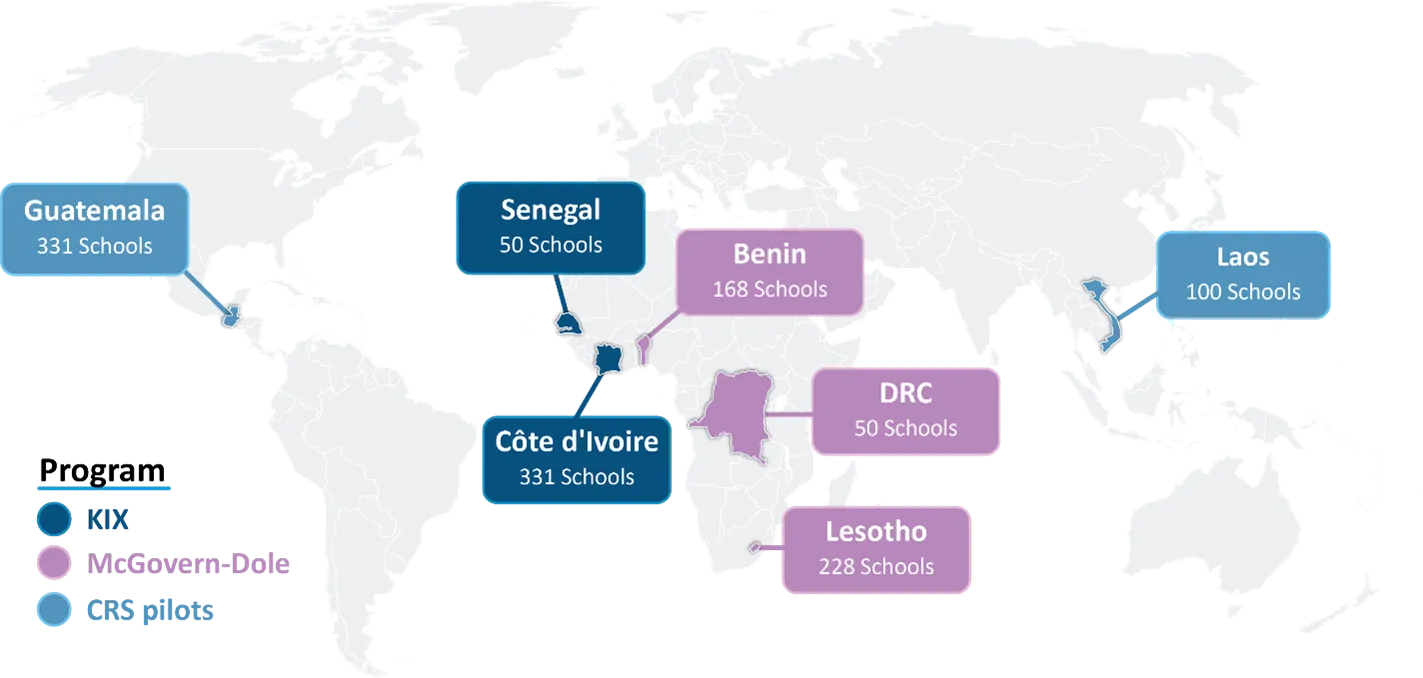
FLIP Geographic Footprint
FLIP Evidence Base
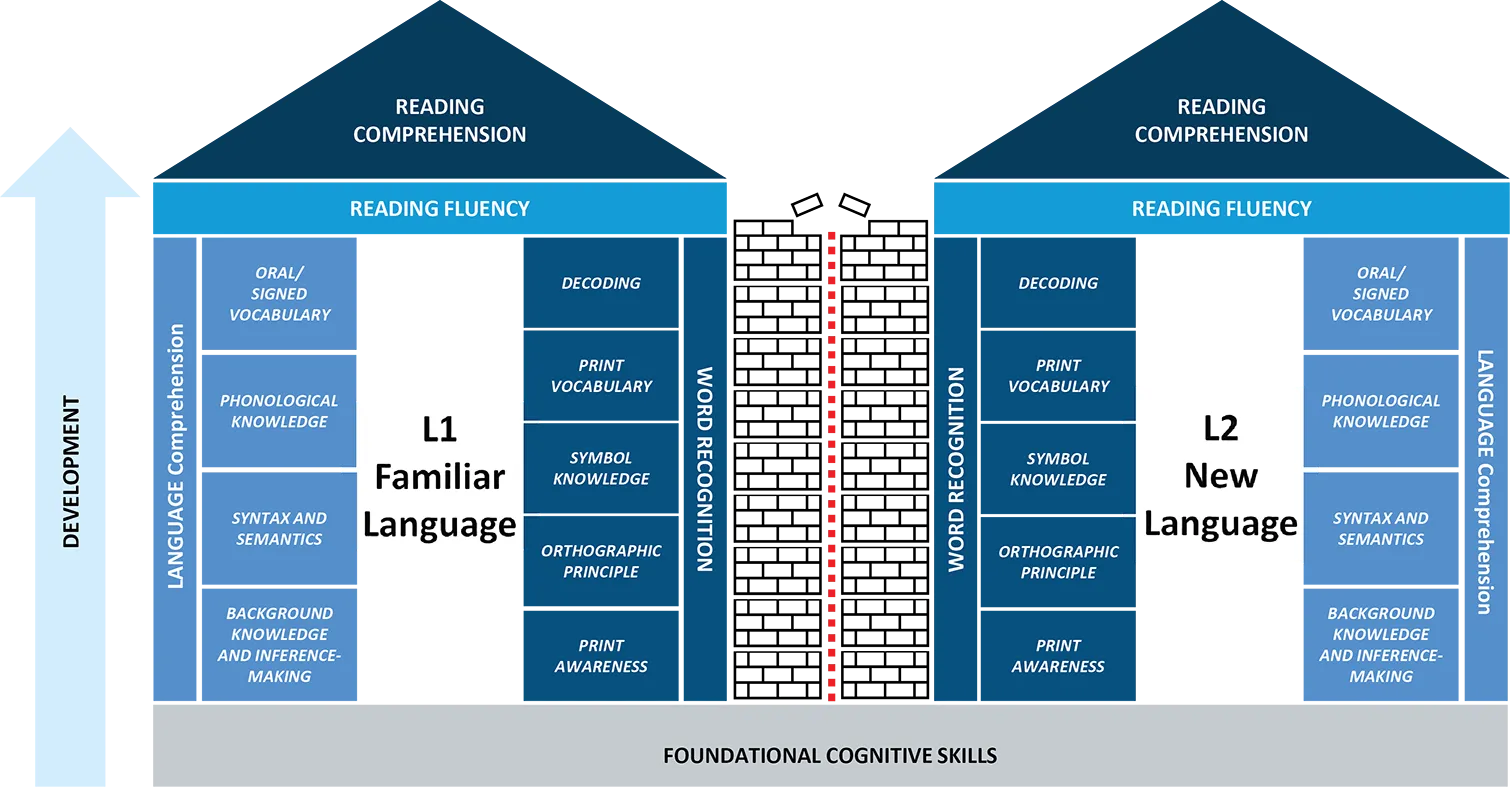
FLIP draws on cognitive science, empirical research, and AIR’s decades of expertise in language of instruction and foundational literacy best practices. To develop an intuitive and metaphorical representation of the skills and sub-skills (pillars and bricks) and transferable skills (shared walls) needed to support the development of biliteracy acquisition, AIR has developed a “Biliteracy House Model,” as a scientific basis for FLIP.
AIR experts developed innovative techniques to inform policymaking and programming around the language of instruction in multilingual contexts. These techniques provide an important foundation for FLIP:
Language mapping is a scientific technique that determines the initial or home language(s) children use and understand before starting formal schooling.
Language transitioning and bridging to determine the empirical points of “transfer” of skills from the children’s familiar language(s) to a second (or later) language.
Language-appropriate Structured Pedagogy (LaSP), developed by AIR, is a systematic instructional approach that emphasizes the role of language in learning. Integrated through the FLIP methodology and toolkit, LaSP helps teachers use formative assessments to group students by reading level and deliver targeted instruction. It includes:
- Teaching strategies aligned with students’ language skills, reading levels, and curricula;
- Language-specific pedagogy grounded in the science of language acquisition;
- Instruction tailored to the linguistic features of target languages;
- Supplemental learning materials; and
- Optional technology tools to support delivery.