From Unwinding to Work Requirements: What States Can Learn to Prepare for the Next Big Medicaid Shift
States are preparing for a major shift in Medicaid policy: the implementation of federal work requirements by Jan. 1, 2027. This new mandate will require certain beneficiaries to regularly demonstrate that they’re working, volunteering, or participating in approved community engagement programs to maintain coverage. It’s a complex, resource-intensive effort—and one that echoes the recent challenges states faced during Medicaid Unwinding.
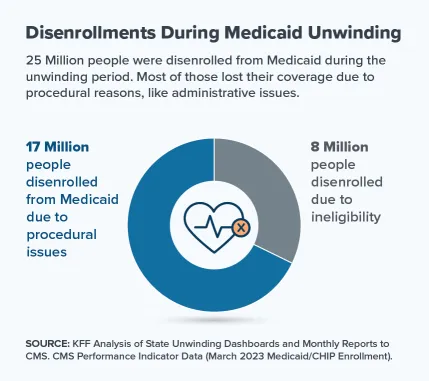
Unwinding marked the end of the COVID-19 era pause on Medicaid eligibility redeterminations. Beginning in April 2023, states had to reverify the eligibility of millions of beneficiaries. While they had flexibility in how to approach the process, the outcomes varied.
Some states navigated the transition without major disruption. Others saw high rates of procedural disenrollments where people lost coverage simply because the state couldn’t confirm their eligibility, often due to outdated contact information or administrative hurdles.
As states prepare for work requirements, there’s much to learn from the Unwinding experience. Here are some key lessons.
Outreach Matters a Lot
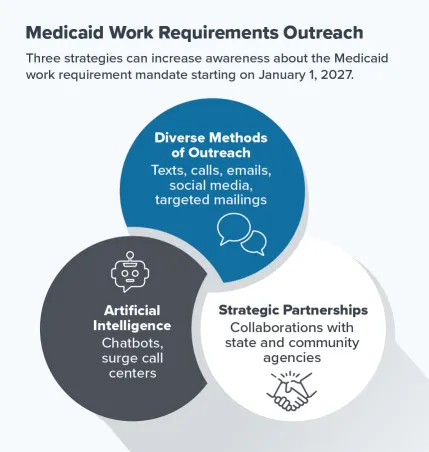
States that invested in robust, diverse methods of outreach during Unwinding saw better redetermination outcomes. They didn’t just send letters: They got creative with multi-channel campaigns, strategic partnerships, and artificial intelligence (AI). For instance:
- Washington, D.C. launched a proactive outreach campaign using targeted mailings, digital engagement, and community partnerships to encourage beneficiaries to update contact information and complete redetermination.
- Arizona achieved a 76% renewal rate by deploying chatbots, a surge call center, strategic partnerships, and customized toolkits designed for tribal communities.
Outreach will be just as critical for states to consider when implementing work requirements. States should focus on:
- Raising awareness about the new rules;
- Clarifying who the new rules impact;
- Explaining exemptions;
- Providing clear and timely instructions on submitting documentation; and
- Engaging community partners in outreach efforts.
Automation Matters, Too
During Unwinding, many states used existing data to automatically verify eligibility without contacting the enrollee. These “ex parte” renewals helped maintain coverage for eligible individuals, while reducing paperwork and accelerating processing. To support this automation, many states expanded access to high-quality, verified data by strengthening partnerships and integration with state, federal, and third-party systems, leveraging sources like the IRS and SNAP. For instance:
- Kentucky used income eligibility data recently verified by other programs and skipped re-verification for those beneficiaries during Unwinding, reducing administrative burden and preserving coverage.
- North Carolina streamlined redeterminations by passively enrolling beneficiaries using data pulled from federal wage databases, reducing manual processing and improving efficiency.
- Ohio partnered with county-level Departments of Job and Family Services and third-party contractors to access paystub, employment, and income estimation data to support accurate eligibility determinations.
Work requirements will demand even more robust monthly data, such as proof of employment, active enrollment in an education program, participation in work programs or volunteer activities, and exemption status.
To prepare, states can establish new or confirm existing connections with statewide entities such as:
- Social service agencies (i.e. to integrate with SNAP and TANF systems);
- State Departments of Labor and Education;
- Workforce agencies;
- Tax and revenue offices;
- Corrections and reentry organizations; and
- Housing and child welfare agencies.
By automating eligibility verification before engaging beneficiaries, states can reduce administrative burden, improve efficiency, and minimize coverage disruptions.
Looking Ahead: What States Can Do Now
As states prepare for the rollout of federal Medicaid work requirements, planning is essential. To minimize coverage disruptions and increase administrative efficiency, states can:
- Design comprehensive outreach strategies. Ensure beneficiaries understand the new requirements, know what actions to take, and receive support through clear, multi-channel communication in their preferred language.
- Strengthen data partnerships. Expand access to employment, education, and exemption-related data by collaborating with state agencies and trusted third-party sources.
- Enhance automation and workflows. Use existing, verified data for ex parte renewals to streamline eligibility checks, reduce manual processing, and ease the burden on state Medicaid staff.
Work requirements may pose new risks of inaccurate disenrollment. Unlike the Unwinding period—when beneficiaries verified eligibility once and could be redetermined ex parte—they must now submit documentation monthly. This shift may pose challenges, especially for those states facing technology or reporting barriers, including staff or funding shortages.
By applying lessons from Unwinding, states can build smarter, more effective systems that protect coverage and improve efficiency.